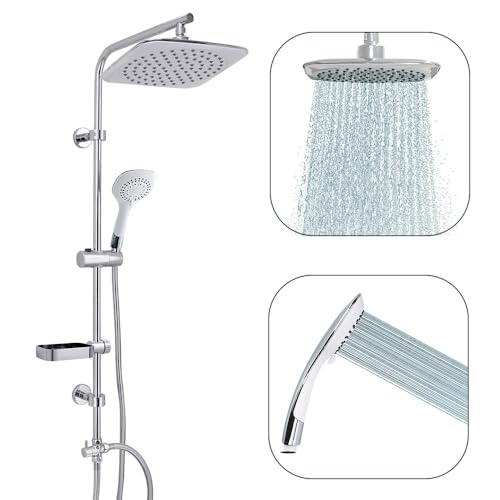
best practices for storing and maintaining plumbing supplies
Proper storage and maintenance of plumbing supplies are essential for ensuring their longevity and effectiveness. Whether you are a professional plumber or a DIY enthusiast, understanding how to care for your tools and materials can save you time and money in the long run. Here are some best practices to keep your plumbing supplies in top condition.
Organising Your Supplies
First and foremost, it is crucial to have an organised storage system. Use labelled bins or containers to separate different types of supplies such as fittings, pipes, adhesives, and tools. This not only aids in quick access but also prevents damage from overcrowding. Consider using shelving units that allow for easy visibility while keeping the supplies off the ground to avoid potential water damage.
Controlling Temperature and Humidity
Temperature and humidity play a significant role in the longevity of plumbing supplies. Most plumbing materials do best when stored in a cool and dry environment. For example, PVC pipes should not be exposed to extreme heat, which can lead to warping. If your storage area is prone to high humidity, consider using a dehumidifier or silica gel packets to absorb excess moisture. This is particularly important for items like adhesives and sealants, which can degrade if exposed to moisture.
People Also Look For:
- Toolzone 8pc Tubular Box Spanner Set 6mm to 22mm
- HAUTMEC Adjustable Pliers Wrench,180mm Smooth Jaw Parallel Pliers, Adjustable Spanner, CR-V Steel & Phosphated Rust-Resistant, SAE...
- Rebower 50mm ID Pipe Insulation Tubing 7mm Thick Heat Preservation Foam Tube, [for Plumbing Freeze Protection Exercise Handle] - 6...
- Kajaia Pipe Insulation Foam Tube Outdoor Pipe Lagging Cover Wrap Roll Black Cladding Hollow Hose Heat Preservation for Exercise Ma...
- Stainless Steel Kitchen Sink Filter - Anti-Clog Umbrella Technology for Efficient Waste Management & Leak Prevention - Home Plumbi...
Regular Inventory Checks
Conduct regular inventory checks to keep track of your supplies. This helps in identifying items that are running low or have expired. For example, tape and adhesives have a shelf life and can lose their effectiveness over time. By checking your inventory every few months, you can ensure that you are always prepared for any plumbing task without delays.
Maintenance of Tools
Tools are a vital part of any plumbing supply collection, and proper maintenance is key to keeping them functional. After each use, clean your tools thoroughly to remove dirt, grime, and residue. For metal tools, consider applying a light coat of oil to prevent rust. It is also important to regularly inspect tools for any wear and tear, replacing or repairing them as necessary to avoid accidents during use.
Safe Storage of Hazardous Materials
If you store hazardous materials such as solvents or sealants, ensure they are kept in a safe and secure location. Use clearly labelled containers and store them away from heat sources and direct sunlight. Always follow the manufacturer's instructions regarding storage. Additionally, consider using a designated cabinet with locks if children or pets are present in the vicinity.
Using Proper Containers
When storing smaller items like screws, washers, and gaskets, use small, clear containers with lids. This prevents loss and allows you to quickly identify contents without digging through a box. Ensure that the containers are sturdy enough to withstand being dropped and are resistant to the chemicals they may be exposed to.
Avoiding Sunlight Exposure
Prolonged exposure to sunlight can cause many plumbing materials to degrade. For instance, plastic pipes and fittings can become brittle and lose their integrity. If your storage area has windows, consider using UV-blocking film or curtains. Additionally, store your supplies in opaque containers or bins to further protect them from light exposure.
Educating Yourself on Materials
Familiarise yourself with the specific requirements of each type of plumbing supply you work with. For example, PEX tubing has unique storage and handling instructions compared to copper pipes. Knowing these details can ensure you are taking the right steps to maintain your supplies effectively.